
When working with materials of great hardness such as metal, it is not always easy to handle it. Not having the right tools and utensils can cause the material to be damaged and the project to go to waste.
The metal is a material that provides durability and resistance to many environmental conditions, so if you trotters know there will be some time when you need to work it .
Today we suggest you learn how to drill a metal without damaging or harming yourself.
HOW TO DRILL METAL STEP BY STEP
These are the steps to drill metal correctly:
1. Choose the correct drill bit
Depending on the metal you have to drill you will have to choose a drill or another. Using an improper drill bit could produce unwanted results. To avoid this situation, you should know which drill bit for metal is the most suitable for the task at hand.
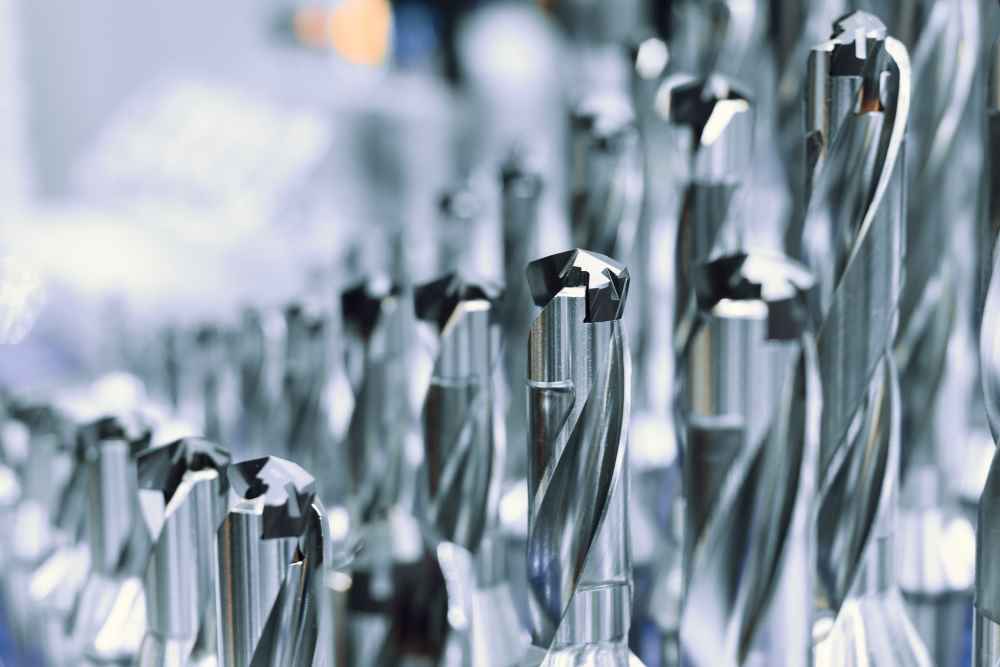
The bits of high speed steel or HSS drills are capable of drilling the vast majority of metals. The same goes for the carbon steel drill bits , which are reinforced with a titanium nitride coating. If you have to drill very resistant metals, cobalt steel bits will be the most suitable.
2. Secure the metal
Drilling metal produces high vibrations that can hinder the work you are doing. Therefore, before starting to drill, fix the metal to the work table or place it on a bench screw so that it does not move or vibrate so much while drilling.
Read more also about wood router for beginner
Read more also about wood router for beginner
3. Choose the drilling location
Once you have placed the metal in a safe working position, the next step will be to mark the point where you are going to drill the hole . You can do it with a pencil, but making sure you are as accurate as possible.
If you are wrong about the place and the piece of metal breaks down it will be difficult for you to fix it. Therefore, you must be very careful when making the exact perforation mark.
4. Protect yourself
Put on the necessary safety equipment to avoid accidents. When drilling in metal, a multitude of chips and small metallic waste are generated that fly away and are dangerous.
In order not to be damaged, you must wear eye protection glasses and work clothes that protect your body and hands from possible cuts with the metal.
It is also advisable to have a fire extinguisher nearby because when drilling metal sometimes sparks occur that could trigger a fire.
5. Prepare the drill
Next, put the drill in its place, just above the mark you made earlier. Before pressing the button and start drilling, make sure the drilling angle is correct.
If you have trouble setting the angle, you can get a drill that includes leveling bubbles. This way you will avoid mistakes and waste the material.
6. Apply the appropriate pressure
Metal drilling work requires adequate pressure depending on the type of metal you face.
When you go to work hard metals, you will have to drill at a slow and steady pace . While if you are going to drill softer metals, you will have to do it at a faster speed. In any case, regardless of the type of metal, it is better to work at a medium-low speed.
7. Concentrate
Continue applying pressure until you have reached the desired depth. You should be as focused as possible to prevent the drill from moving beyond what is necessary. When you have drilled enough, do not stop suddenly. Keep the drill running while you go back with it and remove it from the metal piece.
8. Check the result
It is done! If you did everything correctly, you will result in a hole in the exact place where you wanted it.
As you can see, drilling a metal is not difficult. The secret to success is to prepare properly before starting to drill the metal.
10 METAL DRILLING TIPS
If you are a DIY amateur person, it is very likely that sooner or later you will consider how to drill metal with a drill without damaging it. The tools and methods used to perform this task are varied, as are the different types of metals that exist.
Therefore, here are 10 tips for drilling metal easily, quickly and safely.
1. It is not always necessary to buy metal drill bits
Almost any general purpose helical drill will do an acceptable job of drilling holes in metal. In fact, most metal drill bits allow drilling different metals, such as plastic or wood. The helical bits or HSS bits are more economical and are made of high speed steel. This type of basic drill bits are used to drill many kinds of metals.
If you have to make many holes in metal or you are going to drill hard and abrasive metal , such as stainless steel or cast iron, we recommend that you use a cobalt steel drill for metal. These bits are capable of drilling a large number of holes before breaking. Some metal drill bits feature a special titanium nitride (TiN) coating , which manufacturers say helps resist heat and friction better, making these drill bits last up to six times longer than standard high speed steel drill bits.
2. Notch
The drills tend to drain when you start drilling with them. To avoid this, mark the place where you want to make the hole and make a small notch using a pointed punch or nail and a hammer. Thus, when you start drilling with the drill, it will stay at that point and will not move.
3. Lubricated bits last longer
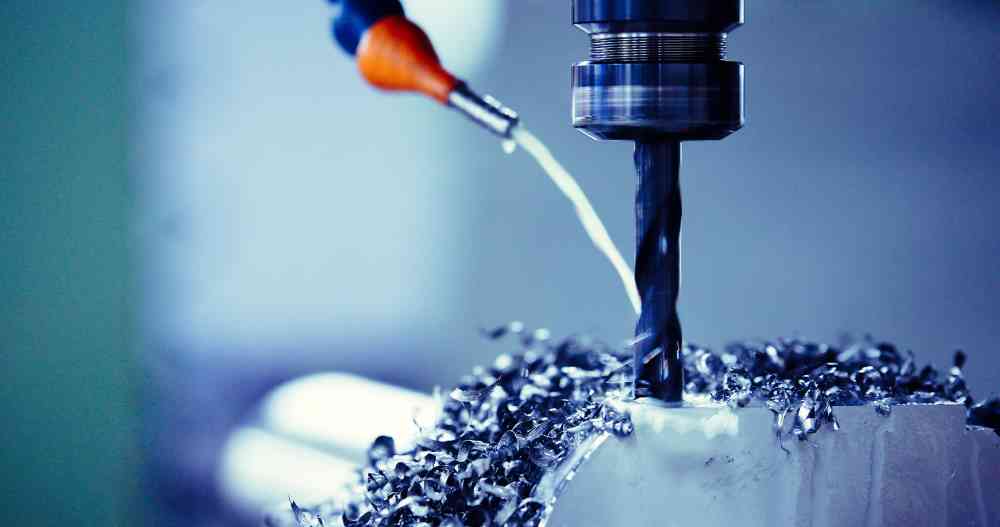
For drilling steel it is advisable to use cutting fluid or a multipurpose oil. Lubricating the drill reduces friction and heat build-up, which makes drilling easier and drills last longer. For easier to drill metals such as aluminum, brass or cast iron, it is usually not necessary to lubricate the drill bits.
4. Use clamps to prevent accidents
Never grab a piece of metal with one hand while trying to pierce it with the other. The metal drill bit could get caught, causing the work piece to rotate and hit or cut you. Therefore, when drilling metal it is advisable to use at least one pair of clamps that hold the piece of metal on which you are going to work.
5. You see from less to more
Do you have to make a big hole? Well, you see little by little and start with a small one. Start drilling with a helical drill with a diameter of ¼. Go drilling holes with larger diameter bits each time until the hole reaches the desired size.
6. File the hole
After making a hole in metal, file it to remove sharp edges or burrs that remain. You can do it with a metal file or, if you don't have it, you can turn the drill by passing it through the hole sides to soften the edge.
7. Low speed drill
It is advisable to drill metal using a slow speed. The faster the drill rotates, the hotter it gets and it could break. Hard metals such as steel and larger bits require even slower speeds. With a small drill from 1/16 to 3/16, most metals can be drilled at 3,000 rpm. For larger helical bits (11/16 to 1 in.), Speeds of 350 to 1,000 rpm are recommended.
8. Wrap the metal in wood
Do you want to make clean and precise holes in a thin metal sheet? Place the sheet between two pieces of wood and hold everything on a workbench. The woods will make the sheet flat and prevent the drill from moving while drilling the sheet.
9. Use step drill bits
Stepped bits are designed to drill holes in sheets of metal and other thin materials. They are ideal for making a clean and perfectly sized hole in steel, stainless steel, etc. The stepped metal drill will allow you to drill holes of different diameters. The drawback is that stepped bits are more expensive than conventional bits.
10. Protect your eyes
The small metal fragments that come off when drilling this material are very dangerous for the eyes. They can cause serious eye damage. Therefore, when it comes to drilling metals it is almost mandatory that you wear protective glasses appropriate to the work you are going to do. Trying to cover your eyes both front and sides of the face.
CONCLUSION
How to drill metal is not a complicated task as we have taught you in this post. To do a good job it is necessary to have the appropriate metal drill bits for the material you want to drill. You also have to prepare properly and have a good drill . This will ensure success.
Comments
Post a Comment